Expository Fiction TrentonZero's Other Blog
I am starting another blog devoted to works of Expository Fiction. What, I imagine you asking, is expository fiction?
The simplest answer is: “fiction written in the style of nonfiction.”
Some examples of expository fiction include:
- Gnomes by Wil Huygen
- The Islanders by Christopher Priest
- Dragonology by Dugald Steer
- Goblins of the Labyrinth by Brian Froud and Terry Jones
- The Feasts of Tre-Mang by Eli Brown
- The Dictionary of the Kazars by Milorad Pavić
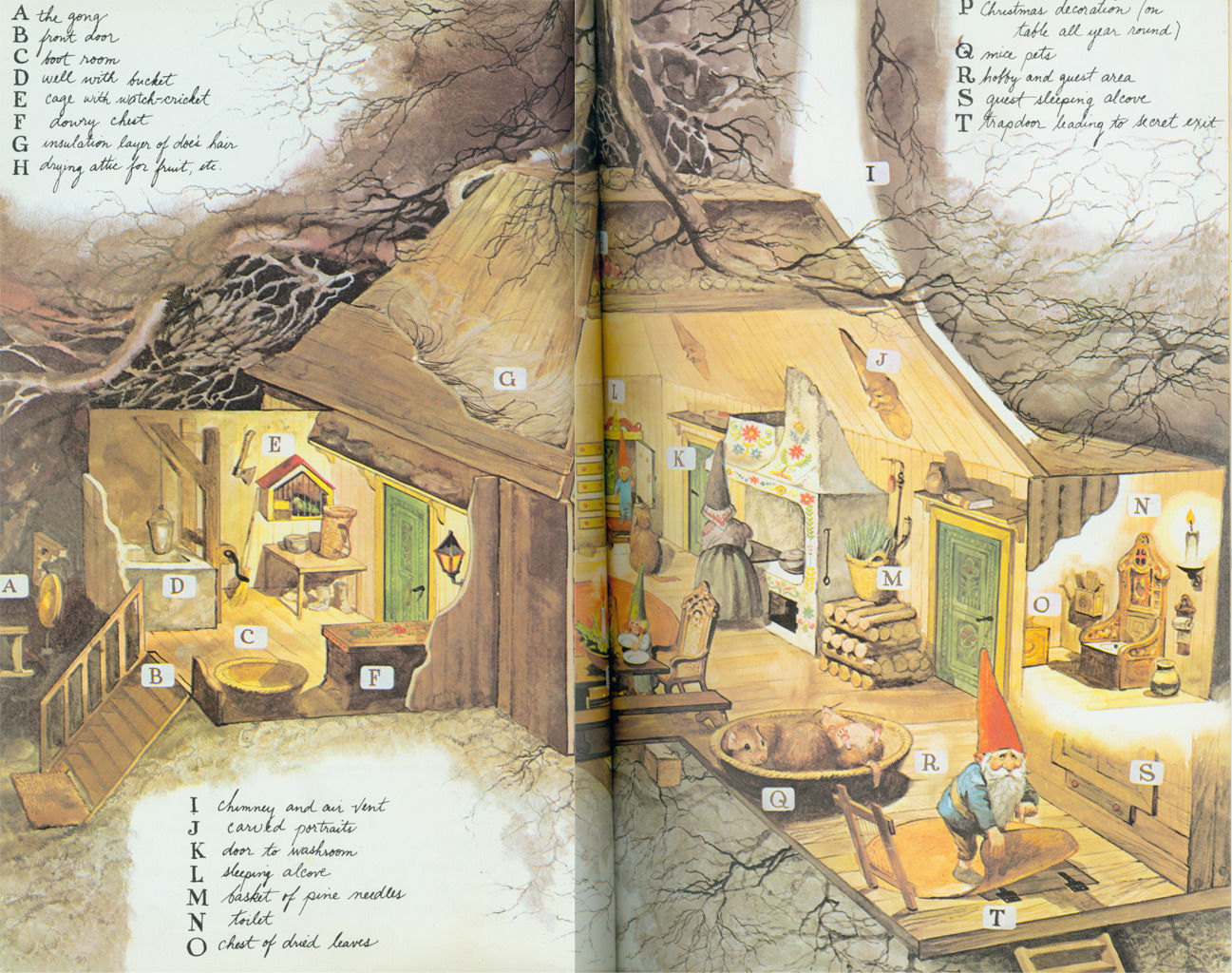
Each of these are works of fiction told primarily in an expository style. For example, in “Gnomes,” Wil Huygen describes the lives of an imaginary race of six-inch-tall people in a way that would be more fitting in an issue of National Geographic or a book about life on the American frontier. He describes the houses, daily activities, and customs of these imaginary people as if they were real. It is a children’s book, made all the more delightful and whimsical by the non-traditional presentation. It combines a child’s love of fairy tales with a child’s love of nonfiction books that explain the world. This is probably the best known work of expository fiction, and many children books have followed in its footsteps (Dragonology, Goblins of the Labyrinth, Fairies, etc).
That’s not to say that all works of expository fiction are children’s stories. On a more adult side, “The Dictionary of the Kazars” is a post-modern novel that describes a real event (the mass conversion of the Khazars in early ninth century to Judaism) through the form of the excerpts from three fictional encylopedias, one each describing the persons, places, and events leading up to and following the conversion from Jewish, Christian, and Islamic perspectives, and the true narrative emerges in layers as the reader explores the overlaps and discrepancies between these three factual presentations.
This is as good a point as any to stop and talk about what expository fiction is not. Here’s a short list:
- Nonfictional works with which the reader disagrees. Religious texts and controversial or discredited scientific research (both modern and ancient). Whether a work is non-fiction or fiction has nothing to do with whether it is, absolutely speaking, true or false, but by whether the author believes it is true and intends the reader to believe it as true.
- Narrative nonfiction, i.e. nonfiction written in the style of fiction.